


When it comes to kitchen equipment, stainless steel stands out as the ultimate choice. Why? It’s incredibly durable, resists corrosion, and maintains a sleek, modern look that fits any kitchen style. You’ll love how its non-porous surface makes cleaning a breeze while keeping bacteria at bay. Plus, it doesn’t react with food, so your meals stay safe and flavorful. Professional kitchens rely on stainless steel equipment because it handles heavy use, high heat, and constant cleaning without breaking a sweat. Whether you’re a home cook or a chef, it’s a material you can trust.
Advantages of Stainless Steel in Kitchen Equipment
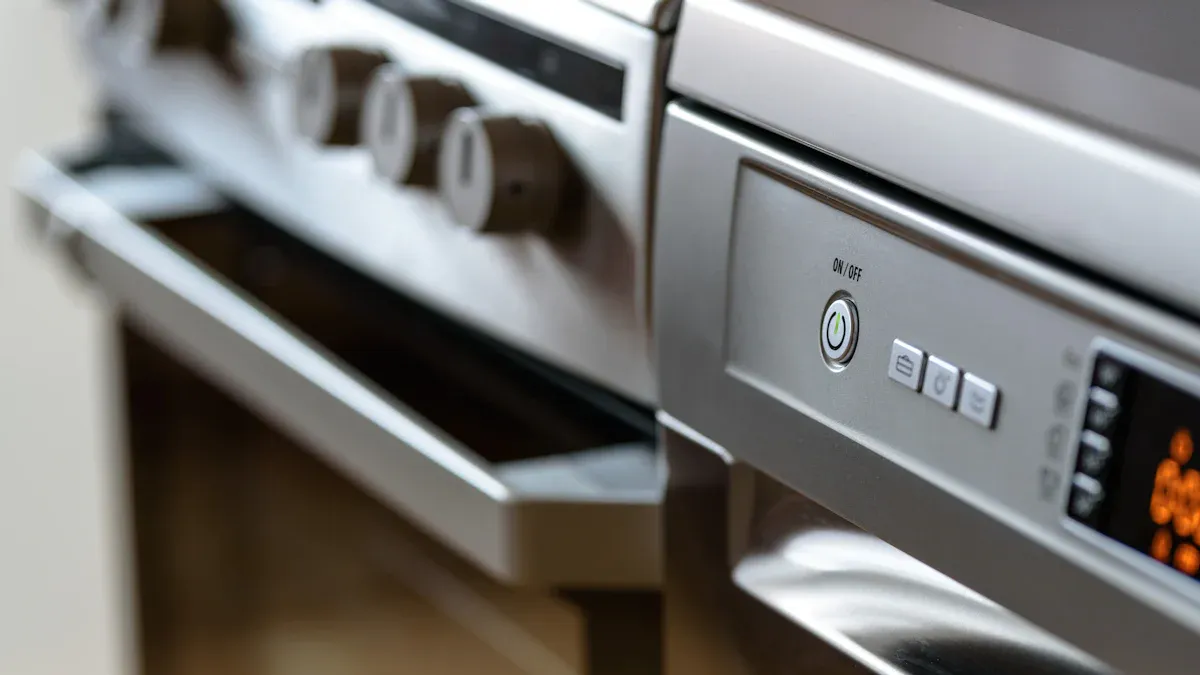
Corrosion Resistance
One of the standout properties of stainless steel is its exceptional corrosion resistance. You’ve probably noticed how kitchen environments are full of moisture, water, and even acidic or alkaline substances from food. Unlike other materials, stainless steel doesn’t rust or corrode easily. This is thanks to a thin, self-healing chromium oxide layer on its surface. Even if the surface gets scratched, this layer regenerates, keeping your stainless steel equipment protected.
Here’s why this matters for your kitchen:
- Stainless steel can handle constant exposure to water without breaking down.
- It resists damage from acidic ingredients like lemon juice or vinegar.
- It’s perfect for humid environments, like dishwashing areas or steam-heavy cooking zones.
With stainless steel, you won’t have to worry about replacing rusted-out tools or appliances. Its resistance to corrosion ensures your equipment stays in top shape for years.
Hygiene and Food Safety
When it comes to food preparation, hygiene is non-negotiable. Stainless steel excels here because of its non-porous surface. Unlike wood or plastic, it doesn’t have tiny cracks or crevices where bacteria can hide. This makes cleaning a breeze since food particles and germs can’t cling to the surface.
You’ll also appreciate how stainless steel is dense and hard, preventing bacteria from penetrating it. This is especially important when handling raw meats or other foods that can carry harmful germs. Other materials, like wood, may look nice but can harbor bacteria due to cuts and imperfections. Stainless steel ensures your kitchen stays safe and sanitary.
Durable Material for Heavy Use
Kitchens can be tough on equipment, but stainless steel is tougher. Its durability makes it ideal for heavy use, whether you’re cooking at home or running a busy restaurant. You can drop it, scrape it, or expose it to high heat, and it’ll still perform like new.
This durability also means you save money in the long run. Stainless steel equipment doesn’t wear out quickly, so you won’t need to replace it often. It’s a reliable choice that stands up to the demands of any kitchen.
Tip: If you want kitchen tools that last, stainless steel is the way to go. Its durability and resistance to wear make it a smart investment.
Heat Resistance
When it comes to handling high temperatures, stainless steel truly shines. You’ll find it’s one of the most heat-resistant materials available for kitchen equipment. Whether you’re searing a steak or baking at high temperatures, stainless steel equipment won’t warp, melt, or degrade. This makes it a reliable choice for both home cooks and professional chefs.
Here’s a quick look at how different grades of stainless steel perform under heat:
| Stainless Steel Grade | Maximum Temperature (°F) | Recommended Maximum for Longevity (°F) |
|---|---|---|
| Grade 304 | 1,598 – 1,697 | N/A |
| Grade 330 | 2,000 | 1,900 |
Stainless steel’s heat resistance doesn’t just stop at high temperatures. It also handles rapid temperature changes without cracking or losing its shape. This feature, known as thermal shock resistance, is especially useful in busy kitchens where equipment often moves between hot ovens and cold sinks.
For professional chefs, this durability under heat is a game-changer. Stainless steel can withstand temperatures up to 500°F during cooking, making it perfect for tasks like frying, grilling, or roasting. Its ability to resist thermal damage ensures your tools and appliances last longer, even in demanding environments.
Tip: If you want kitchenware that can handle the heat, stainless steel is your best bet. It’s built to endure high temperatures and heavy use without breaking down.
Aesthetic Appeal and Modern Design
Stainless steel doesn’t just perform well—it looks amazing too. Its sleek, polished surface adds a modern touch to any kitchen. Whether your style is minimalist or industrial, stainless steel fits right in.
Here’s why it’s a favorite for kitchen design:
- It complements various styles, from contemporary to traditional.
- Its versatility makes it ideal for appliances, utensils, and even storage solutions.
You’ll also love how stainless steel creates a professional and clean appearance. Its smooth, non-porous surface not only looks great but also makes cleaning a breeze. This is crucial in maintaining a hygienic kitchen, as it prevents bacteria from lingering on surfaces.
Another advantage is its durability. Stainless steel can handle heavy use and impacts without losing its shine. This means your kitchen will look polished and professional for years to come.
Note: If you’re looking to upgrade your kitchen’s style and functionality, stainless steel is the way to go. It combines beauty with practicality, making it a top choice for modern kitchens.
Why Stainless Steel Equipment Excels in Kitchen Settings
Ensuring Food Safety and Hygiene
When it comes to maintaining hygiene and food safety in your kitchen, stainless steel is unmatched. Its smooth, non-porous surface makes cleaning and sanitizing incredibly easy. You don’t have to worry about bacteria hiding in tiny cracks or crevices because stainless steel doesn’t have any. A quick wipe with warm water and detergent is all it takes to keep it spotless and hygienic.
Unlike other materials, stainless steel doesn’t corrode or rust, even in moist environments. This is a big deal because rust can trap bacteria and lead to contamination. With stainless steel equipment, you can rest assured that your kitchen maintains high hygiene levels, keeping your food safe from harmful germs.
Another reason stainless steel excels is its durability. It’s a food-grade material that resists wear and tear, ensuring your kitchen stays both hygienic and functional for years. Whether you’re preparing raw meats or fresh produce, stainless steel helps you avoid contamination and maintain a clean cooking space.
Withstanding High Temperatures and Humidity
Kitchens are hot and humid places, but stainless steel thrives in these conditions. It’s a durable material that can handle extreme heat without warping or losing its shape. Whether you’re grilling, frying, or baking, stainless steel equipment performs reliably under high temperatures.
Humidity is another challenge in kitchens, especially in areas like dishwashing stations or steam-heavy cooking zones. Stainless steel resists moisture, preventing rust and corrosion. This makes it ideal for long-term use in environments where other materials might fail.
You’ll also appreciate how stainless steel adapts to sudden temperature changes. Moving a hot pan to a cold sink? No problem. Stainless steel’s thermal shock resistance ensures it won’t crack or weaken, making it a dependable choice for any kitchen.
Long-Term Cost-Effectiveness
Investing in stainless steel equipment might seem pricey upfront, but it pays off in the long run. Its durability means you won’t have to replace it often, saving you money over time. Unlike materials that wear out or degrade, stainless steel stays in excellent condition even after years of heavy use.
Maintenance costs are also minimal. Stainless steel is easy to clean and doesn’t require special treatments to prevent rust or damage. This makes it a cost-effective option for both home cooks and professional chefs.
Plus, its resistance to corrosion and bacteria ensures your kitchen remains hygienic, reducing the risk of foodborne illnesses. By choosing stainless steel, you’re not just saving money—you’re also investing in a safer, more efficient kitchen.
Easy Cleaning and Maintenance
Keeping your stainless steel equipment spotless is simpler than you might think. Its non-porous surface makes it easy to clean, saving you time and effort in the kitchen. With just a few simple steps, you can maintain its shine and functionality for years.
Here’s how you can keep your stainless steel looking its best:
- Use mild dish soap for stubborn stains. Dilute it in warm water or apply it directly to the stain.
- Try distilled white vinegar to dissolve tough spots and restore the surface’s natural shine.
- For polishing, apply a small amount of mineral oil to a microfiber towel and buff the surface.
- Wipe down your equipment regularly with a damp microfiber cloth to prevent buildup.
- Avoid abrasive cleaners like baking soda or steel wool, as they can scratch the surface.
For deeper cleaning, follow these steps:
- Wipe down the surface after each use to minimize the need for heavy scrubbing.
- For tougher stains, soak a cloth in diluted detergent or vinegar and leave it on the stain for up to twenty minutes.
- Always wipe in the direction of the grain to avoid streaks and maintain the polished look.
Stainless steel’s low maintenance requirements also make it an environmentally friendly choice. Since it doesn’t corrode, it can be melted down and reused without losing its properties. Plus, you’ll use fewer harsh cleaning chemicals, which is better for the planet. Its durability and ease of cleaning make it a practical and sustainable option for any kitchen.
Enhancing Kitchen Design and Professionalism
Stainless steel doesn’t just perform well—it elevates the look of your kitchen. Its sleek, polished finish adds a modern and professional touch that’s hard to beat. Whether you’re designing a home kitchen or outfitting a commercial space, stainless steel fits right in.
Why does stainless steel stand out in kitchen design? Its versatility allows it to complement any style, from minimalist to industrial. You can pair it with wood, stone, or glass for a balanced and sophisticated look. It’s not just about aesthetics, though. Stainless steel equipment creates a clean and organized appearance, which is essential for maintaining a professional vibe.
You’ll also appreciate how stainless steel reflects light, making your kitchen feel brighter and more spacious. This is especially useful in smaller kitchens where every detail counts. Its durable surface resists dents and scratches, ensuring your kitchen looks polished even after years of use.
For professional chefs, stainless steel is a symbol of quality and reliability. It’s the material of choice in commercial kitchens because it combines functionality with style. By incorporating stainless steel into your kitchen, you’re not just upgrading its design—you’re also boosting its efficiency and professionalism.
Tip: If you want a kitchen that’s both stylish and practical, stainless steel is the way to go. It’s durable, easy to clean, and adds a touch of sophistication to any space.
Comparing Stainless Steel to Other Materials
Stainless Steel vs. Plastic
When comparing stainless steel to plastic, stainless steel wins in durability, hygiene, and environmental impact. Plastic kitchen tools may seem convenient, but they wear out quickly and often end up in landfills. Stainless steel, on the other hand, lasts for decades and is fully recyclable.
Here’s a quick comparison:
| Material | Durability | Corrosion Resistance | Environmental Impact |
|---|---|---|---|
| Stainless Steel | High | Excellent | Long lifespan, recyclable |
| Plastic | Moderate | Variable | Often ends in landfills, long decomposition time |
Plastic also struggles with hygiene. Its porous surface can trap bacteria, especially when scratched. Stainless steel’s non-porous surface ensures a cleaner and safer environment for preparing food. If you’re looking for a sustainable and hygienic option, stainless steel is the clear choice.
Stainless Steel vs. Carbon Steel
Carbon steel may be strong, but it falls short in kitchen settings. It rusts easily without proper care, making it less suitable for humid environments. Stainless steel, with its chromium content, forms a protective layer that resists corrosion. This makes it ideal for long-term use in kitchens where moisture is unavoidable.
Why choose stainless steel over carbon steel?
- It resists rust and corrosion, ensuring your tools stay in top condition.
- Its non-porous surface prevents bacteria buildup, keeping your kitchen hygienic.
- It requires less maintenance, saving you time and effort.
While carbon steel might work for applications requiring extreme strength, stainless steel offers a better balance of durability, hygiene, and ease of use for everyday cooking.
Stainless Steel vs. Aluminum
Aluminum is lightweight and conducts heat well, but it doesn’t match stainless steel’s durability. In professional kitchens, where heavy-duty use is common, stainless steel outperforms aluminum. It resists dents, scratches, and corrosion, making it a long-lasting choice.
Here’s how they compare in thermal performance:
| Material | Thermal Conductivity Characteristics |
|---|---|
| Aluminum | Excellent heat conductivity, heats up quickly and evenly, ideal for fast cooking. |
| Stainless Steel | Poor heat conductivity in single-layer designs, but multi-layered options improve performance. |
Aluminum’s lightweight nature makes it prone to warping under high heat. Stainless steel, however, maintains its shape and integrity, even in demanding conditions. If you want cookware that lasts and performs reliably, stainless steel is the better investment.
Why Stainless Steel Outperforms Alternatives
When you compare stainless steel to other materials, it’s clear why it’s the top choice for kitchen equipment. It combines durability, hygiene, and versatility in a way that other materials just can’t match. Let’s break down why stainless steel outshines the competition.
- It’s Built to Last
Stainless steel is incredibly tough. Unlike plastic, which can crack or warp, or aluminum, which dents easily, stainless steel holds up under pressure. You can drop it, scrape it, or expose it to extreme heat, and it’ll still perform like new. This durability means you won’t have to replace your equipment often, saving you money in the long run. - It Keeps Your Kitchen Safe
Hygiene is a big deal when it comes to preparing food. Stainless steel’s non-porous surface doesn’t trap bacteria or odors like wood or plastic can. It’s also resistant to rust, which can harbor harmful germs. With stainless steel, you can trust that your kitchen stays clean and safe. - It’s Low Maintenance
Cleaning stainless steel is a breeze. A quick wipe with warm water and soap is usually all it takes. Other materials, like carbon steel, require constant care to prevent rust. Stainless steel’s ease of maintenance makes it a practical choice for busy kitchens. - It Looks Great Anywhere
Stainless steel’s sleek, polished finish adds a modern touch to any kitchen. Whether you’re outfitting a home kitchen or a professional one, it creates a clean, professional vibe. Plus, it pairs well with other materials like wood or stone, making it a versatile design choice.
Pro Tip: If you want kitchen equipment that’s durable, hygienic, and stylish, stainless steel is the way to go. It’s a material that truly outperforms the rest.
Tips for Maintaining Stainless Steel Equipment
Cleaning Techniques for Stainless Steel
Keeping your stainless steel equipment spotless doesn’t have to be a chore. With the right techniques, you can easily remove stains and maintain its shine. Start by using mild dish soap or vinegar for stubborn spots. Always wipe along the grain to avoid streaks and preserve the polished look. Never let the surface air dry—grab a clean towel and dry it immediately.
For tougher stains, try these methods:
- Steam Cleaning: Boil water, place a towel on the stain, pour the hot water over it, and rub along the grain.
- Baking Soda Paste: Mix baking soda with dish soap, apply it to the stain, and gently scrub along the grain.
- Vinegar Treatment: Pour vinegar on the stain, let it sit, then rub with a soft cloth before rinsing thoroughly.
These simple steps will keep your stainless steel looking as good as new.
Preventing Scratches and Stains
Scratches can dull the sleek surface of your stainless steel, but you can prevent them with a few easy habits. Use non-abrasive tools like soft cloths or plastic scouring pads when you clean. Always follow the grain of the stainless steel to avoid unnecessary marks.
Here are some additional tips:
- Stick to alkaline or non-chloride cleaners to protect the surface.
- Rinse thoroughly after using any cleaning products and dry immediately.
- Avoid harsh chemicals like hydrochloric acid, which can damage the finish.
By treating your equipment gently and cleaning it regularly, you’ll keep it scratch-free and shiny for years.
Avoiding Corrosion and Discoloration
Corrosion and discoloration can ruin the look and functionality of your stainless steel. To avoid these issues, ensure proper care and maintenance. Corrosion often happens due to moisture, chemicals, or improper cleaning. Make sure to dry your equipment after washing and avoid leaving it in damp areas.
Here’s how to prevent common types of corrosion:
- Use low-carbon stainless steel grades like 304L or 316L when welding to reduce weld decay.
- Ensure proper drainage and use suitable gaskets to prevent crevice corrosion.
- Avoid mixing stainless steel with other metals in moist environments to prevent galvanic corrosion.
By following these steps, you’ll protect your stainless steel from damage and keep it in top condition.
Best Practices for Prolonging Lifespan
If you want your stainless steel kitchen equipment to last for years, a little care goes a long way. By following a few simple practices, you can keep your tools looking great and performing like new.
- Clean Regularly
Stainless steel thrives on cleanliness. After every use, wipe down your equipment with warm water and a soft cloth. This prevents buildup from grease, food particles, or stains. For tougher spots, use a mild detergent or a vinegar solution. Avoid letting grime sit for too long—it’s easier to clean fresh messes than old ones. - Dry Immediately
Water spots and streaks can dull the shine of stainless steel. After washing, grab a clean towel and dry the surface right away. This step also helps prevent moisture from causing discoloration or corrosion over time. - Use the Right Tools
Stick to non-abrasive cleaning tools like microfiber cloths or sponges. Steel wool or harsh scrubbers can scratch the surface, making it more prone to damage. Always clean along the grain of the stainless steel to maintain its polished look. - Avoid Harsh Chemicals
Some cleaners contain chlorine or other harsh chemicals that can harm stainless steel. Stick to gentle, non-chloride cleaning products. If you’re unsure, test a small area first to ensure it doesn’t damage the surface. - Protect from Heat and Impact
While stainless steel is durable, extreme heat or heavy impacts can weaken it over time. Use heat-resistant pads under hot pans and avoid dropping heavy objects on your equipment. These small precautions can prevent dents and warping.
By adopting these habits, you’ll extend the lifespan of your stainless steel equipment. Not only will it look better, but it’ll also stay safe and hygienic for preparing your favorite food.
Stainless steel is your go-to choice for kitchen equipment. Its durability and strength make it perfect for heavy use, whether at home or in a busy restaurant. You’ll love how it resists rust and stays hygienic, ensuring your food remains safe. The excellent pitting corrosion resistance adds to its reliability, even in tough conditions. The properties of stainless steel also make it versatile, fitting seamlessly into any kitchen design. With proper care, your stainless steel tools will last for years, saving you money and effort. It’s a smart investment for any kitchen.


