


Smart ovens have revolutionized modern kitchens, offering advanced features and convenience. In 2025, several models stand out for their innovation and performance. The Breville Smart Oven Pro impresses with its energy-efficient design and versatility. The June Smart Oven uses AI and a built-in camera for precise cooking. Tovala’s combination oven and steamer scans grocery items for effortless meal prep. These ovens, along with others like the Panasonic FlashXpress and Breville Joule Oven, cater to diverse needs. Whether you seek a Commercial ovens solution or a countertop marvel, these options redefine home cooking.
Key Criteria for Choosing a Smart Oven
Features
When selecting a smart oven, you should focus on the features that enhance your cooking experience. Look for connectivity options like Wi-Fi or Bluetooth, which allow you to control the oven remotely. Many models also include advanced heating elements, such as convection or infrared technology, for efficient and even cooking. Internal cameras and smart sensors are valuable additions, enabling you to monitor your food without opening the door. These sensors can also adjust settings automatically based on the type of food being prepared. App integration is another key feature, offering recipe guidance and step-by-step instructions to simplify meal preparation.
Performance
Performance plays a crucial role in determining how well an oven meets your needs. A high-performing smart oven ensures consistent cooking quality, whether you’re baking, roasting, or air frying. Precision cooking, powered by AI and smart sensors, adjusts temperature and time for optimal results. Speed and efficiency are equally important, especially for busy households. Advanced heating elements reduce cooking time while maintaining food quality. Reliability over time is another factor to consider, as a durable oven saves you from frequent repairs or replacements.
Price and Value
Balancing price and value is essential when choosing a smart oven. While some models may seem expensive, their advanced features and long-term reliability often justify the cost. Consider your budget and evaluate whether the oven’s features align with your cooking needs. For instance, if you frequently prepare meals for a large family, investing in a model with multiple cooking modes and presets may offer better value. On the other hand, a simpler model might suffice for occasional use.
Design and Usability
A smart oven should not only perform well but also fit seamlessly into your kitchen. Look for a design that complements your kitchen’s style. User-friendly controls and intuitive interfaces make the oven easier to operate. Many models also include recipe assistance and pre-programmed cooking modes, which simplify meal preparation. Build quality and durability are equally important, ensuring the oven withstands regular use.
Smart Capabilities
Smart capabilities set these ovens apart from traditional models. Features like remote control via smartphone apps allow you to preheat or monitor your oven from anywhere. AI-powered cooking assistance adjusts settings automatically, reducing the risk of overcooking or undercooking. Integration with smart home ecosystems, such as Alexa or Google Home, adds convenience by enabling voice control. These capabilities make your cooking experience more efficient and enjoyable.
Features of the Best Smart Ovens
App Integration and Voice Control
Smart ovens excel in connectivity, making your cooking experience more convenient. App integration allows you to monitor and control your oven remotely. You can adjust settings, preheat, or even receive notifications about your meal’s progress from anywhere. Voice control takes this convenience further by enabling hands-free operation. You can manage your oven using simple voice commands, which is especially helpful when your hands are busy. These ovens also connect with smart home devices, adapting to your environment and even suggesting recipes based on available ingredients. These features make your kitchen smarter and your cooking more efficient.
Cooking Presets and Customization
Cooking presets and customization options simplify meal preparation. Many smart ovens include modes like convection cooking, air frying, and dehydration. For example, the Breville Smart Oven Air Fryer offers presets for roasting chicken or baking cookies. The Breville Smart Oven Pro adds advanced convection technology and smart sensors, ensuring precise results. The Tovala Smart Oven stands out with its barcode scanner, which adjusts settings automatically for scanned frozen meals. These presets save time and ensure consistent results, while customization options let you tailor the settings to your preferences.
Unique Features of Each Smart Oven
Each smart oven brings unique features to the table. The Breville Smart Oven Pro offers eco-friendly modes and versatile presets. The June Smart Oven uses AI and a built-in camera to recognize food and adjust settings automatically. The GE Profile Smart Oven includes a 7-inch touch display, air fry mode, and safety features. Whirlpool ovens focus on durability and user-friendly interfaces. Many models also feature pre-programmed recipes and step-by-step video guides, making it easier to try new dishes. These innovations ensure that every oven caters to specific needs, enhancing your cooking experience.
Performance of Smart Ovens
Cooking Quality and Consistency
Smart ovens excel in delivering consistent results. They use precision cooking technology, which combines smart sensors and AI algorithms to adjust temperature and time automatically. This ensures your food cooks perfectly every time, reducing the chances of overcooking or undercooking. Whether you are baking, roasting, or air frying, these ovens maintain uniform heat distribution. Many models also support versatile cooking methods, such as steaming and air frying, which enhance the quality of your meals. With these features, you can trust your smart oven to handle everything from delicate pastries to hearty roasts with ease.
Speed and Efficiency
Time-saving is one of the biggest advantages of using a smart oven. Advanced heating elements, like convection and infrared technology, allow these ovens to preheat faster and cook meals more quickly than traditional models. For example, air frying modes can crisp up your favorite snacks in minutes, while convection settings ensure even cooking in less time. You can also multitask more effectively since many smart ovens let you monitor progress through a smartphone app. This efficiency makes them ideal for busy households where every minute counts.
Reliability Over Time
A smart oven is a long-term investment, and reliability is key. High-quality materials and durable construction ensure these ovens withstand regular use. Many models include safety features, such as automatic shut-off and child locks, which protect your home and family. Regular software updates also keep the oven’s smart features running smoothly, ensuring it stays up-to-date with the latest technology. By choosing a reliable smart oven, you can enjoy consistent performance for years without worrying about frequent repairs or replacements.
Price and Value Comparison
Price Points of Top Smart Ovens
Smart ovens come in a wide range of prices, catering to different budgets and needs. Here are some examples:
- June Oven: $899
- Breville Smart Oven Air Fryer: Price not specified
- Smaller models: Starting around $150
- Larger, feature-rich models: Costing several hundred dollars
The June Oven, with its advanced AI and built-in camera, falls on the higher end of the spectrum. Smaller models, like compact toaster ovens, provide basic functionality at a lower cost. Mid-range options, such as the Breville Smart Oven Air Fryer, balance affordability with advanced features like air frying and convection cooking. These price points reflect the variety of choices available, ensuring you can find a smart oven that fits your budget.
Value for Money Assessment
When evaluating value for money, consider how the oven’s features align with your cooking habits. Smart ovens excel in automation, reducing the need for constant monitoring. Many models adjust temperature automatically during cooking, ensuring consistent results. Features like in-oven cameras and dual temperature zones enhance usability but often come with a higher price tag. For example, the June Oven justifies its cost with its AI-powered precision and versatility. Smaller models, while less advanced, offer excellent value for occasional use or simple meals.
Larger, more versatile ovens may seem expensive, but their durability and advanced capabilities make them a worthwhile investment for frequent cooks. If you prioritize convenience and performance, these models deliver significant long-term value.
Design and Usability of Smart Ovens
Build Quality and Durability
When choosing a smart oven, you should consider its build quality. Many models use eco-friendly materials like recycled metals and sustainable insulation. These materials not only reduce environmental impact but also improve energy efficiency. High-quality construction ensures the oven withstands daily use without showing signs of wear. Durable components, such as stainless steel interiors and reinforced glass doors, enhance the oven’s lifespan. You can rely on these features to maintain consistent performance over time, making your investment worthwhile.
Ease of Use
A smart oven should simplify your cooking experience. User-friendly controls and intuitive interfaces make it easy to operate, even for beginners. Many models feature touchscreens with clear icons and step-by-step instructions. Some ovens also include app connectivity, allowing you to control settings or monitor progress from your smartphone. Pre-programmed cooking modes save time by automatically adjusting temperature and duration for specific dishes. These features reduce guesswork and help you achieve perfect results with minimal effort.
Aesthetic Appeal
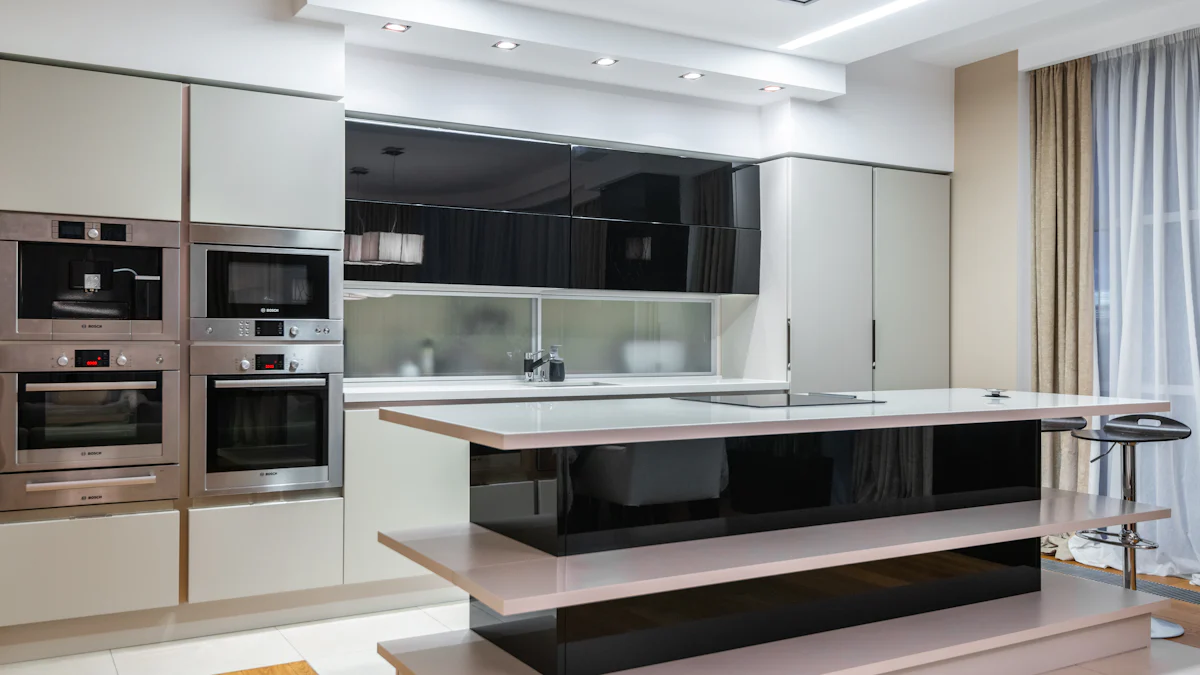
The design of a smart oven plays a significant role in how well it fits into your kitchen. Sleek finishes, such as brushed stainless steel or matte black, complement modern kitchen styles. Compact designs save counter space while still offering advanced features. Many ovens also include LED displays and stylish knobs, adding a touch of sophistication. A well-designed oven not only enhances your cooking experience but also elevates the overall look of your kitchen.
Advanced Smart Capabilities
AI Cooking Assistance
Smart ovens now use advanced AI to make your cooking experience easier and more precise. Many models include built-in sensors and algorithms that automatically adjust temperature and cooking time. These features ensure your meals are cooked perfectly, reducing the chances of overcooking or undercooking. For example, the Samsung Bespoke Oven uses a built-in camera to identify ingredients and suggest cooking options. It can even alert you if your food is overcooked and adjust settings to save your meal. This technology not only saves energy but also minimizes food waste.
Some ovens also come with pre-programmed recipes and step-by-step video guides. These features simplify meal preparation and encourage you to try new dishes. With AI assistance, you can enjoy consistent results without constant monitoring. Whether you’re baking a cake or roasting vegetables, the oven takes care of the details, so you can focus on other tasks.
Remote Monitoring and Control
Remote monitoring and control add convenience to your kitchen routine. Smart ovens connect to Wi-Fi, allowing you to control them through a dedicated app. You can preheat the oven, adjust settings, or check the cooking progress from anywhere. This feature is especially useful when you’re multitasking or away from the kitchen. For instance, you can start preheating the oven while you’re still at the grocery store.
Some models also send notifications to your smartphone, keeping you updated on your meal’s status. This function ensures you never miss the perfect moment to serve your dish. By using remote control, you can manage your cooking schedule more efficiently and reduce the stress of meal preparation.
Integration with Smart Home Ecosystems
Smart ovens integrate seamlessly with popular smart home ecosystems like Amazon Alexa and Google Home. This integration allows you to control the oven using voice commands. You can preheat the oven, set timers, or adjust temperatures without lifting a finger. For example, the GE Profile Smart Built-In Convection Double Wall Oven offers excellent compatibility with these voice assistants. You can simply say, “Alexa, preheat the oven to 350 degrees,” and the oven will follow your command.
This hands-free operation enhances convenience, especially when your hands are busy with other tasks. By connecting your oven to your smart home system, you create a more efficient and enjoyable cooking environment. These integrations make it easier to manage your kitchen while staying connected to the rest of your home.
Pros and Cons of Top Smart Ovens
Strengths of Each Smart Oven
Each smart oven offers unique strengths that cater to different cooking needs. The Breville Smart Oven Pro stands out for its versatility and energy efficiency. It features advanced convection technology and smart sensors, which ensure precise cooking. Its eco-friendly mode also helps reduce energy consumption. The June Smart Oven impresses with its built-in camera and AI algorithms. These features allow it to recognize food and adjust settings automatically. Its connectivity options and use of eco-friendly materials make it a modern and sustainable choice.
Here’s a quick comparison of the strengths of these models:
| Model | Strengths |
|---|---|
| Breville Smart Oven Pro | Versatile, energy-efficient, advanced convection technology, smart sensors, eco-friendly mode. |
| June Smart Oven | Built-in camera, AI algorithms, connectivity options, eco-friendly materials, energy-efficient design. |
Other models also bring valuable features. The Tovala Smart Oven Pro simplifies meal prep with its barcode scanner, which adjusts settings for pre-packaged meals. The GE Profile Smart Oven includes a 7-inch touch display and air fry mode, making it user-friendly and multifunctional. These strengths make each oven a reliable addition to your kitchen.
Weaknesses of Each Smart Oven
While these ovens excel in many areas, they also have limitations. The June Smart Oven, for instance, comes with a high price tag. Its advanced features may not justify the cost for occasional cooks. The Breville Smart Oven Pro, though versatile, lacks some of the AI-driven capabilities found in newer models. This may make it less appealing to tech enthusiasts.
The Tovala Smart Oven Pro, while convenient, relies heavily on its meal subscription service. This limits its appeal if you prefer cooking from scratch. The GE Profile Smart Oven, despite its innovative features, has a bulky design. It may not fit well in smaller kitchens. Understanding these weaknesses helps you weigh the pros and cons before making a purchase.
Recommendations for Different Needs
Best for Families
If you cook for a large family, you need an oven with ample space and versatile features. The NuWave Bravo XL offers a 1.5 cubic feet capacity, making it ideal for preparing large meals. Its three-speed convection fan ensures even cooking, while the wide temperature range (50-500°F) accommodates various recipes. The GE Profile Smart Built-In Convection Oven also suits families. It includes Wi-Fi and Bluetooth connectivity, an internal camera, and a 7-inch touch display. These features make it easy to monitor meals and ensure safety. For families who enjoy experimenting with different cooking methods, the Breville Smart Oven Air Fryer provides 13 functions, including air frying, dehydrating, and slow cooking.
| Oven Model | Size (Cubic Feet) | Features |
|---|---|---|
| NuWave Bravo XL | 1.5 | Large capacity, three-speed convection fan, temperature range 50-500°F, ideal for large meals. |
| GE Profile Smart Built-In Convection Oven | N/A | Wi-Fi and Bluetooth connectivity, internal camera, safety features, 7-inch touch display. |
| Breville Smart Oven Air Fryer | N/A | 13 cooking functions including air frying, dehydrating, and slow cooking. |
Best Budget Option
For those seeking affordability without sacrificing performance, the NuWave Bravo XL stands out. It delivers excellent cooking results at a reasonable price. Its large capacity and advanced features, such as a convection fan and precise temperature control, make it a great value. This oven proves that you don’t need to spend a fortune to enjoy the benefits of a smart oven.
Best for Tech Enthusiasts
Tech enthusiasts will appreciate ovens with cutting-edge technology. The Samsung Bespoke Oven uses artificial intelligence and a built-in camera to identify ingredients and suggest cooking options. It can even adjust settings to prevent overcooking. The Hoover Vision Oven features a massive 19-inch display and an integrated camera, offering a live view of your meals. It also provides video tutorials and allows you to browse recipes or listen to music. The June Oven combines advanced AI with Wi-Fi connectivity and voice control, making it one of the most innovative options available.
- Samsung Bespoke Oven: AI-powered ingredient recognition and adaptive settings.
- Hoover Vision Oven: 19-inch display, live meal view, and multimedia capabilities.
- June Oven: Food recognition, Wi-Fi connectivity, and voice control.
Best Overall Pick
The best overall pick balances advanced features, usability, and value. Based on these criteria, the June Oven takes the lead. It excels in automated features, offering precise temperature adjustments and monitoring. Its in-oven camera and AI capabilities enhance usability, while the variety of cooking modes ensures versatility. The June Oven also integrates seamlessly with apps, allowing remote control and recipe guidance. Its sleek design and eco-friendly materials further add to its appeal.
| Criteria | Description |
|---|---|
| Automated features | Features that allow for temperature adjustments and monitoring without constant supervision. |
| Extra features | Additional functionalities like in-oven cameras and touchscreens that enhance usability. |
| Cooking modes | Variety of cooking options available, such as baking, air frying, and reheating. |
| Connectivity options | Ability to connect with apps for remote control and monitoring. |
| Internal cameras and sensors | Cameras that allow users to check food progress remotely. |
| App integration | Compatibility with apps for recipe guidance and oven control. |
| Design and aesthetics | Visual appeal and design of the oven. |
| Precision cooking | Accuracy in cooking temperatures and times. |
| Advanced heating elements | Use of innovative heating technologies for better cooking results. |
| Eco-friendly materials | Use of sustainable materials in the oven’s construction. |
The June Oven’s combination of innovation, performance, and design makes it a top choice for any kitchen.
Choosing the right smart oven depends on your cooking habits and preferences. Most models offer Wi-Fi connectivity, versatile cooking modes, and app integration for convenience. Features like internal cameras and automated settings enhance precision and efficiency. The June Oven stands out as the best overall pick, combining advanced AI, sleek design, and eco-friendly materials. Evaluate your needs, such as oven size, cooking modes, and compatibility with smart home systems, to make the best choice for your kitchen.
FAQ
What is the difference between a convection toaster oven and a traditional oven?
A convection toaster oven uses a fan to circulate hot air, ensuring even cooking. Traditional ovens lack this feature, which can result in unevenly cooked food.
Can a convection toaster oven replace a microwave?
A convection toaster oven can handle tasks like reheating, baking, and toasting. However, it may not match a microwave’s speed for quick reheating or defrosting.
How do you clean a convection toaster oven?
Remove crumbs and debris using a damp cloth. Clean the interior with a non-abrasive cleaner. Avoid submerging electrical components or using harsh chemicals.


